




- Caring for children's smiles for over 15 years
- Your child feels safe from the very first minute
- We treat with care and attention
- Each treatment stage is clear to both the child and the parents
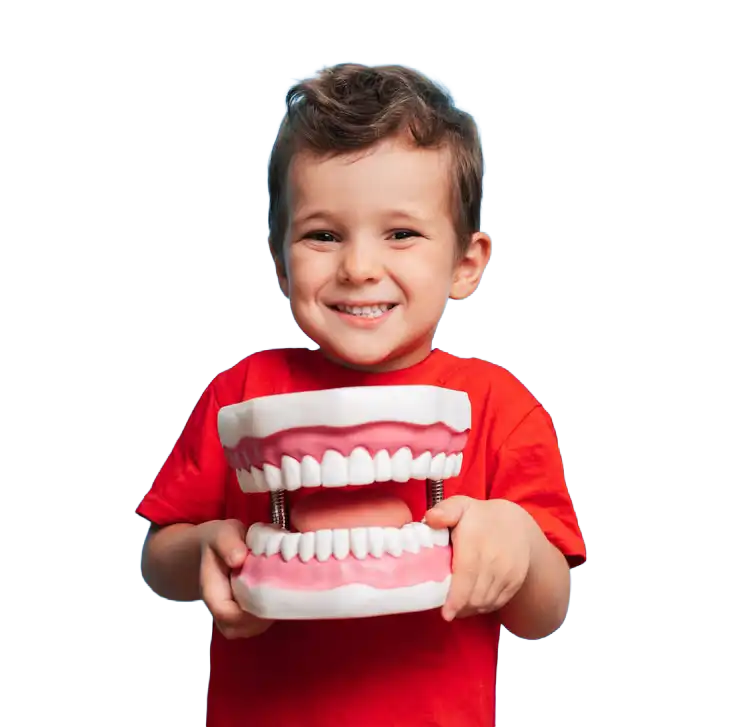

Meeting and making friends with the children's dentist
A visit to the children's dentist is often a real ordeal both for the child and for the parents. One wrong move, one thoughtless word, or even the mere sight of dental equipment is enough to frighten a child, and that fear can stay with them for life.
Ideally, the first visit to the dentist should take the form of a preventive, introductory appointment.
It is in childhood that the bite is formed and the foundation of a future healthy and attractive smile is laid. If your child needs a dentist, come to the RoyalDent clinic. Our specialists know how to lift a young patient's spirits and carry out the treatment so skilfully that no trace of fear or anxiety remains.

The stages of treating children at RoyalDent
Treatment of children at the RoyalDent clinic follows a clear and predictable sequence. This approach helps the child feel calm and the parents understand what happens at each stage and why.
Getting acquainted and the first examination
The first appointment begins with settling in. The doctor gets to know the child, examines the mouth and assesses the condition of the teeth and gums. Safe diagnostics are carried out if needed.
Discussion with the parents and planning
After the examination the doctor explains the current situation and the possible treatment options to the parents in detail. We draw up a plan that takes into account the child's age, the condition of their teeth and their individual needs.
Settling in and preparing for treatment
If the child is anxious or is visiting a dentist for the first time, the appointment takes an introductory format. In a calm, playful way the doctor introduces the child to the surroundings and the instruments, helping to ease the tension.
Prevention and hygiene
Where necessary we carry out professional hygiene, teach proper tooth care, strengthen the enamel with fluoride and perform preventive procedures aimed at reducing the risk of caries.
Treatment
Baby and permanent teeth are treated with gentle methods using modern anaesthetics. In difficult or distressing situations sedation may be offered where indicated.
Follow-up and monitoring
After treatment we recommend regular preventive check-ups — children need them more often than adults, usually every 3–4 months. This makes it possible to spot changes in good time and keep the child's teeth healthy.
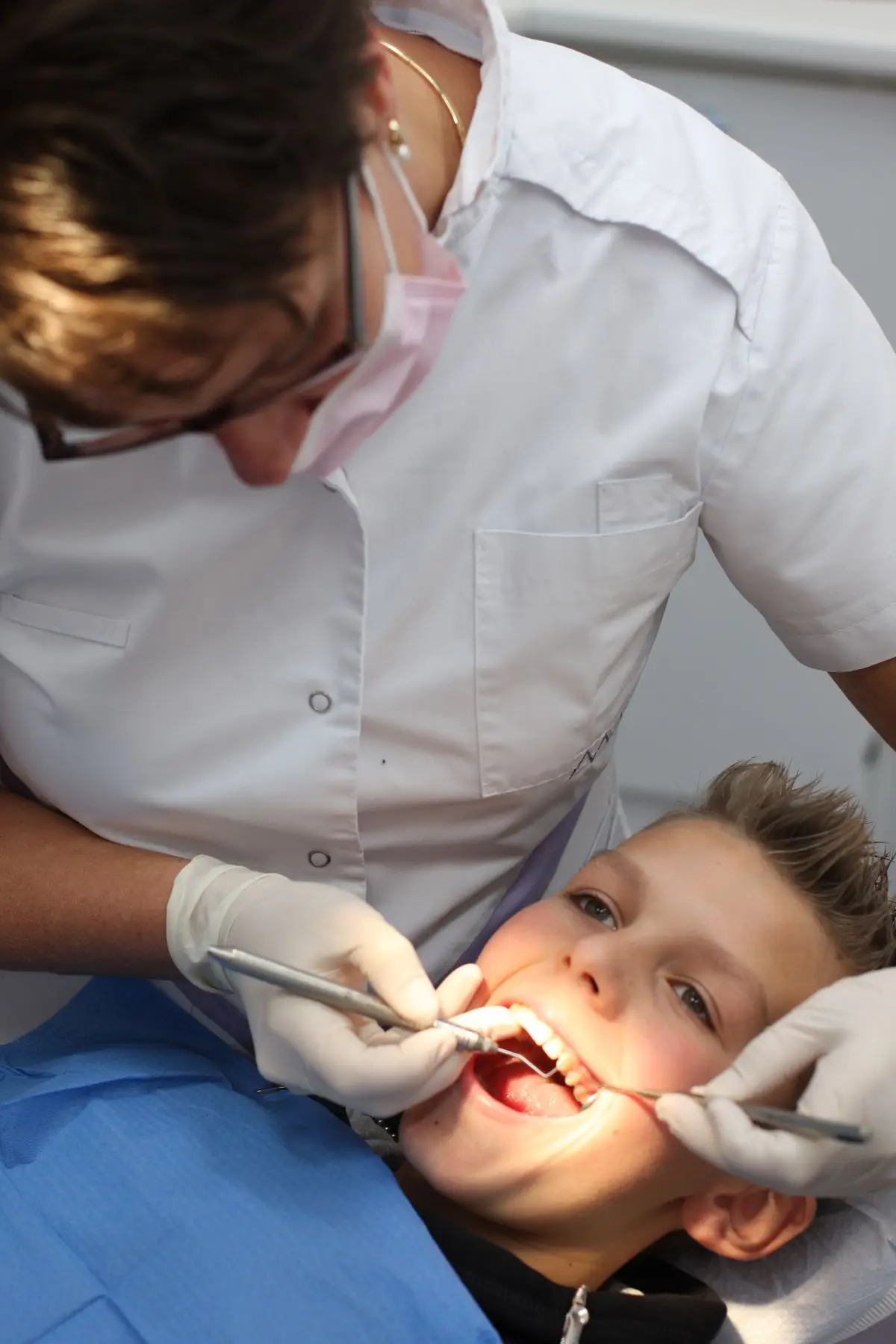
How to prepare for the appointment
The prospect of visiting a dental surgery can be frightening for a child. Careful preparation beforehand will dispel any doubts and fears — playing at doctor and patient, and conversations started on a positive note about how they are now big enough to meet the ‘tooth’ doctor: ‘The doctor will look at your teeth and say whether they are growing properly.’
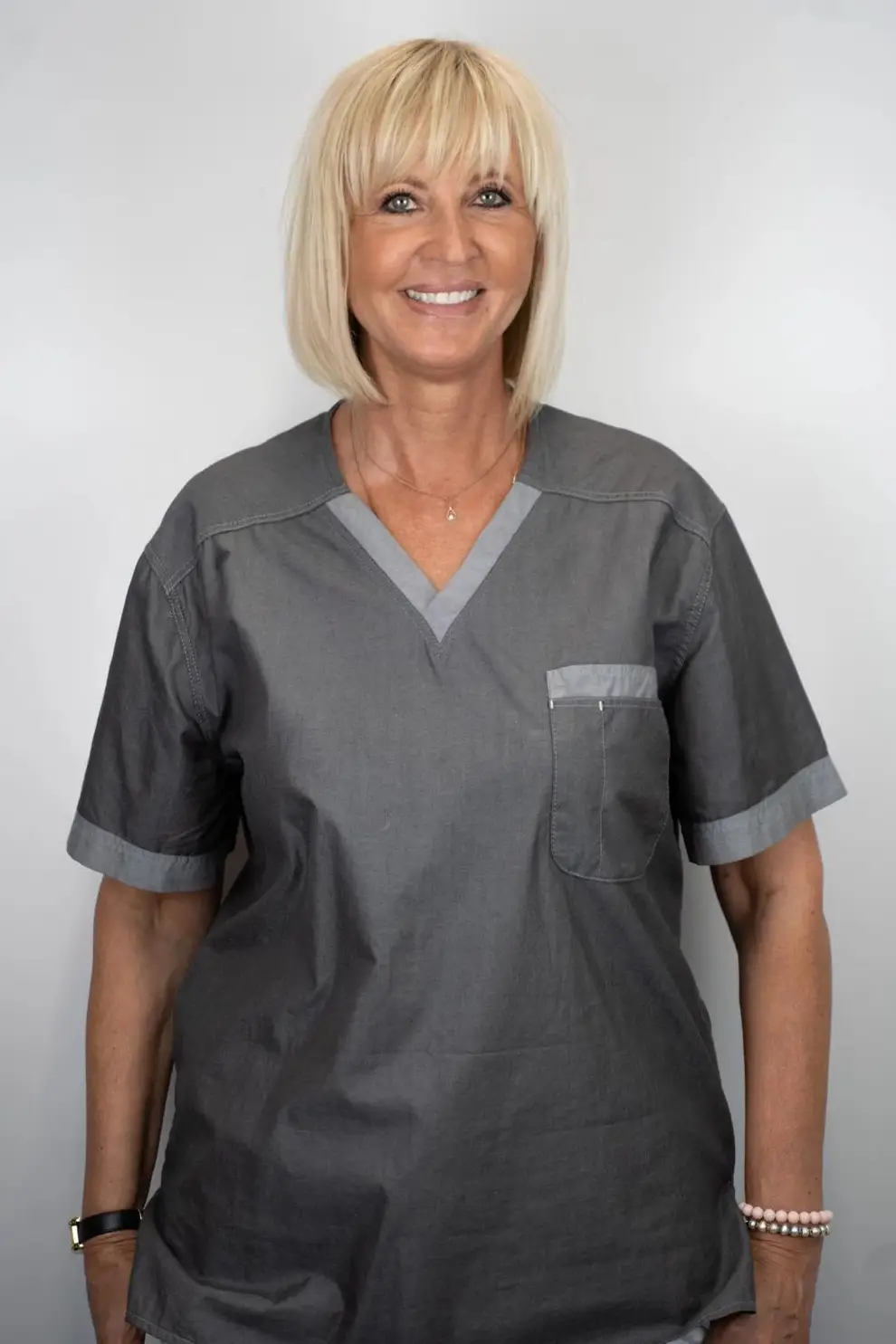
Do not turn the upcoming visit into ‘the event of the day’. Behave naturally and at ease — that is all that is asked of you. Our clinic's specialists will gladly take care of the rest!
The main thing is not to delay the first visit to the dentist. We increasingly see caries even in children of one and one and a half years old. As for how often such visits should happen, it is important to make them at least twice a year.
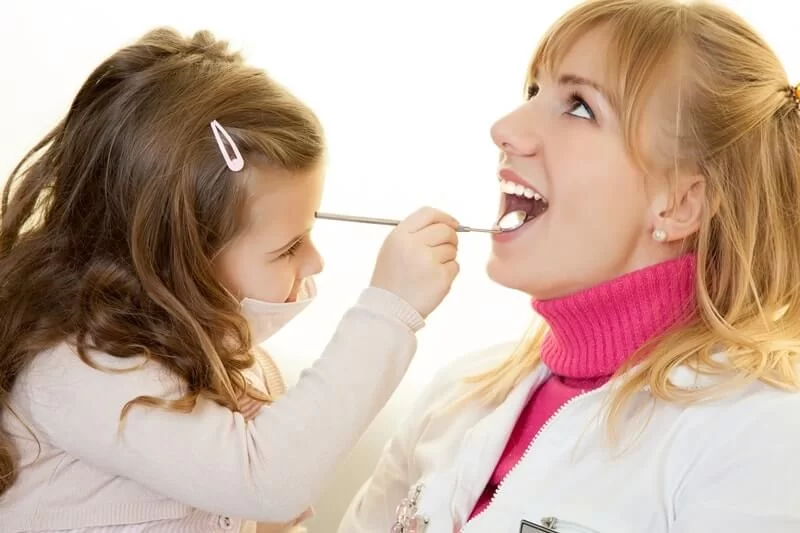
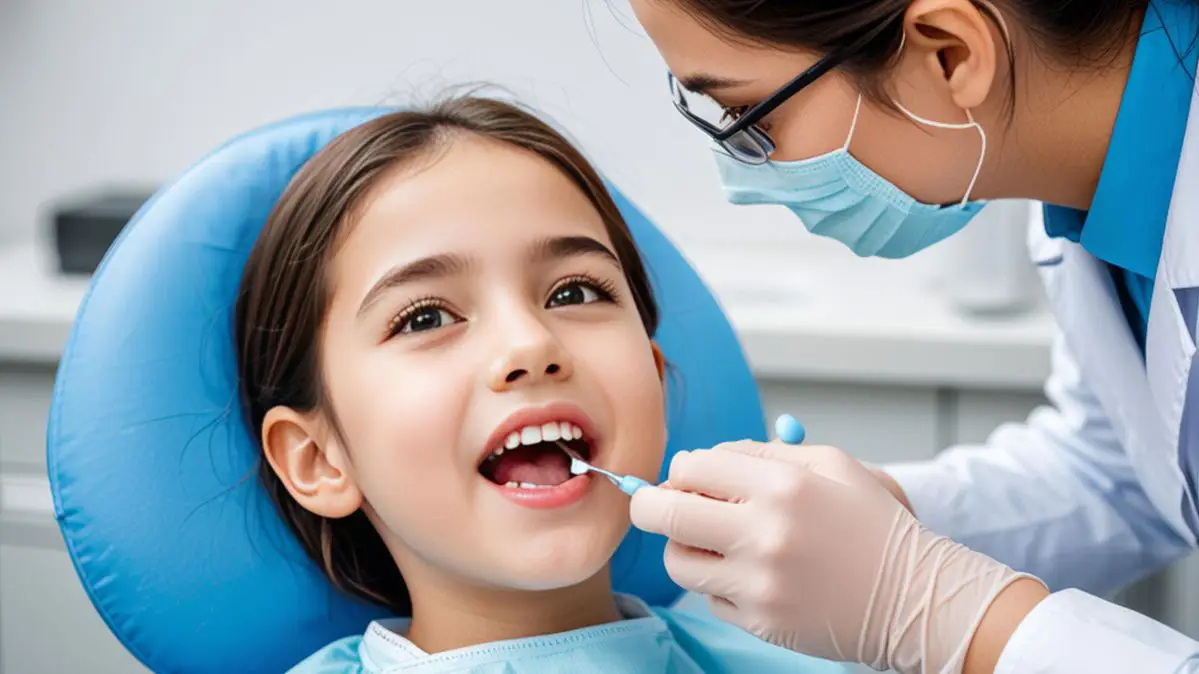
If your child is afraid of the dentist
If your child already has an unhappy experience of meeting a dentist, you need a different clinic — one like ours.
Our doctors have had special training, know how to work with children and use appropriate anaesthesia.
And before going to that clinic you need to convince your child that you are going to a completely, completely different dentist and that nothing will be as it was before (but it really does have to be a completely, completely different dentist!).
Reasons to visit the children's dentist
It is important to see a children's dentist not only when something hurts, but also for prevention. Regular check-ups help to spot changes in good time and keep both baby and permanent teeth healthy.
Routine check-ups
It is recommended to bring your child to the dentist every 3–4 months. This makes it possible to detect caries and other problems at an early stage, when treatment is simpler and faster.
Complaints from the child
Toothache or sensitivity to cold, hot or sweet food is a reason to see the dentist, even if the symptoms are not constant.
Visible changes in the teeth
Spots on the enamel, chips, decay or a change in the colour of the teeth call for an examination by a specialist.
Dental injuries
After a fall or a blow it is important to show the child to a dentist, even if the tooth looks intact from the outside. Internal damage may appear later.
Problems with teething
Delayed teething, pain or teeth in the wrong position are a reason for a consultation, so that a correct permanent bite forms later on.
Bad breath
A persistent smell may be a sign of caries, gum inflammation or other problems in the mouth and digestive tract, and calls for diagnosis.
Contraindications
In paediatric dentistry we speak not of strict contraindications but of conditions in which a routine appointment is better rescheduled for a more suitable time:
- acute infections (colds, flu, tonsillitis, chickenpox) accompanied by a temperature and general malaise.
Once the child has recovered, treatment and preventive check-ups can be carried out safely and comfortably.
The cost of paediatric dentistry in Jūrmala
- Surface anesthesia5 €
- Anesthesia30 €
- Professional hygiene of baby teeth65 €
- Treatment of caries in a baby tooth with composite materials120 €
- Treatment of Baby Tooth Pulpitis50 €
- Baby tooth extraction50 €
- Fluoridation50 €
- Fissure sealant100 €
The doctor states the exact treatment plan and its cost after examining the child.
Answers to frequently asked questions
We've collected what patients ask most frequently. Didn't find the answer?
It is best to make the first visit a preventive, introductory one, without waiting for something to hurt. Caries is increasingly found in children of one and one and a half years old, so the first visit should not be put off.