




- We restore damaged teeth and create a beautiful smile
- We work with our own dental laboratory
- The result looks natural and harmonious
- We provide a 3-year guarantee on prosthodontic treatment
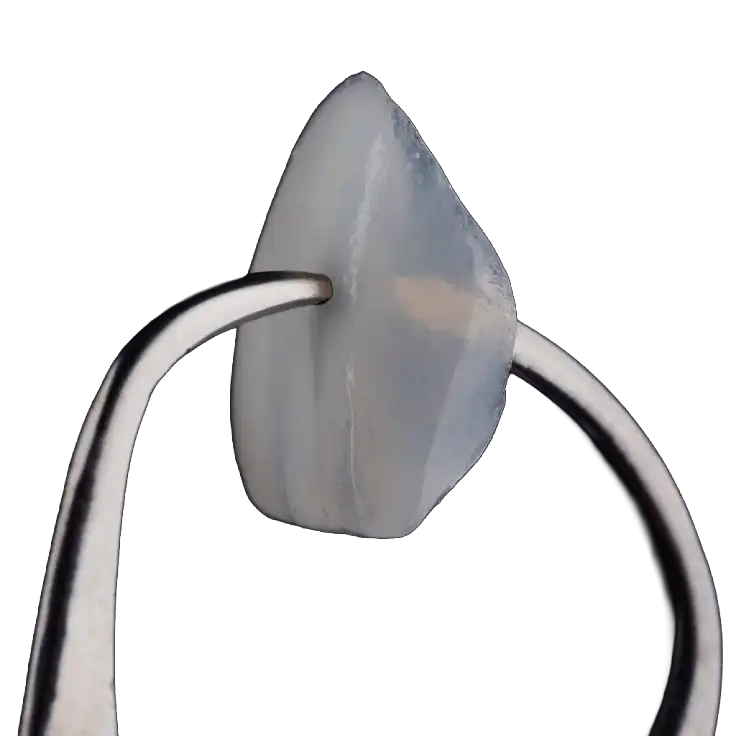
Where to Get Dental Prosthetics in Jūrmala?
You can contact the RoyalDent clinic. Our services include the installation of dentures with aesthetics and functionality in mind. Experienced doctors, high-quality materials, and a comfortable environment. Schedule a consultation to choose the best treatment option.
Our doctors regularly undergo training and master new techniques, allowing us to successfully address even the most complex clinical situations. This approach allows us to achieve predictable and long-lasting results, as confirmed by the feedback from patients who have undergone prosthetics at our clinic.

Prices for dental prosthetics in Jūrmala
- Metal-ceramic crown600 €
A reliable solution at an affordable price. A durable frame with a ceramic coating.
- Pressed ceramic inlay, onlay500 €
Allows you to restore your tooth as naturally and reliably as possible. Durable ceramics match the color and shape of your tooth.
- Zirconium Dioxide Crown750 €
Modern aesthetics and durability: zirconium completely imitates a natural tooth
- Zirconium dioxide crown with ceramic application850 €
An even more natural appearance thanks to multilayer ceramics. As close to natural teeth as possible
- e.max Veneer900 €
A thin ceramic onlay for a perfect smile. High aesthetics
- Enhanced Aesthetics Veneer1000 €
A premium solution for the highest aesthetic demands. Individual artistic elaboration of color and shape.
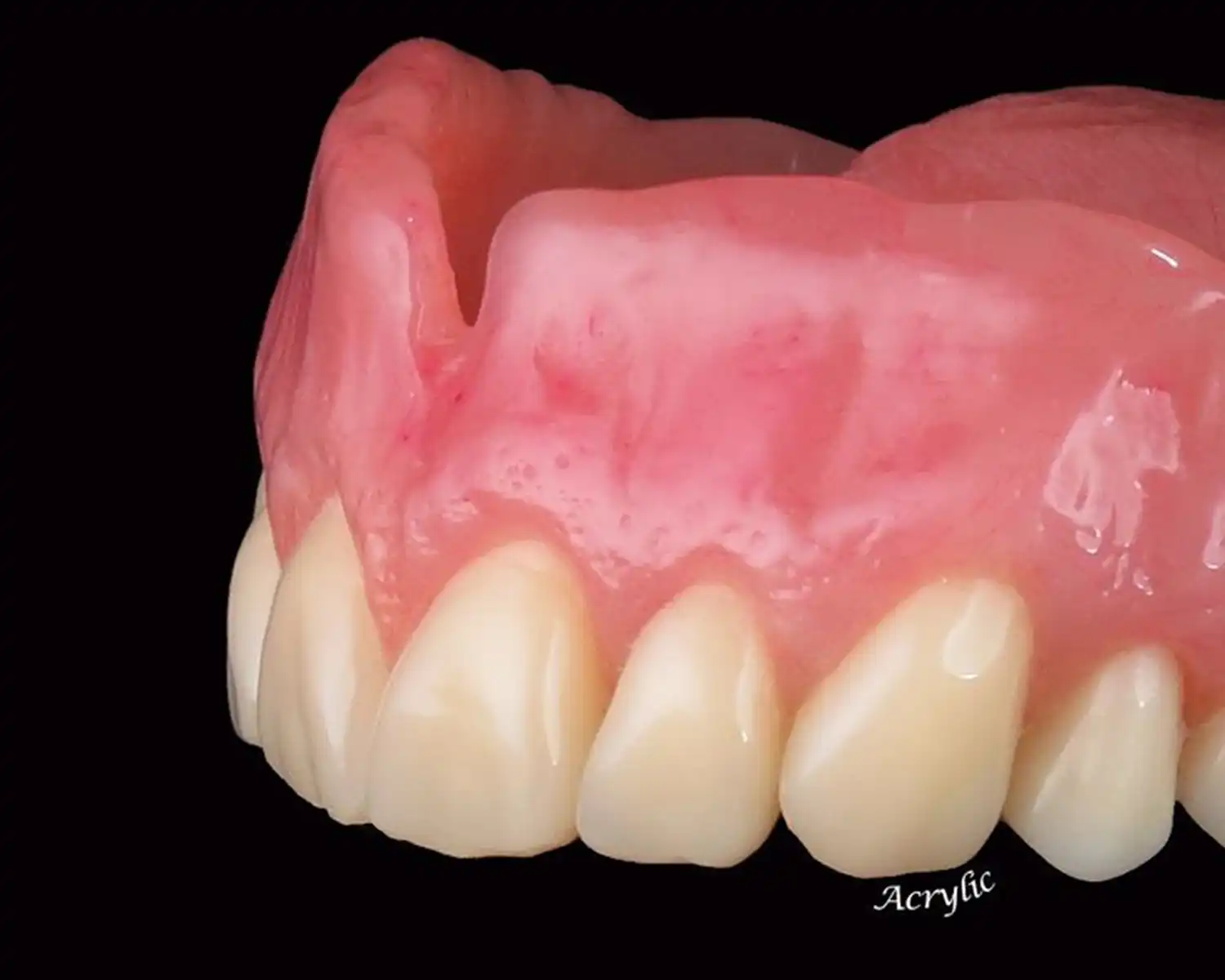
- Acrylic Removable Denture600 €
A basic solution for dental restoration. Lightweight and affordable, it allows you to chew and smile.
- Partial denture1500 €
A removable structure on a metal arch. It holds more securely than acrylic and feels less noticeable in the mouth.
Indications
Dental prosthetics are important not only for a beautiful smile but also for the health of the entire dental system. The main indications for the procedure are:
- Missing one or more teeth
Timely installation of dentures prevents the displacement of adjacent teeth and malocclusion. - Aesthetic Defects
In the case of chips, discoloration, or an initially unsightly tooth shape, a prosthesis helps restore a natural smile. - Complete edentulism
Modern implant technologies and methods allow for complete restoration of your teeth and the elimination of uncomfortable removable dentures. - More than 50% of the crown's destruction
A denture protects the remaining tooth tissue from further decay and allows full use of the tooth again. - Increased tooth wear
Prosthetic restorations create a "protective barrier" and stop pathological tooth wear.
Contraindications
Contraindications to dentures are more accurately described as temporary restrictions. This list includes:
- Acute inflammatory processes in the oral cavity
First, treatment must be completed and the inflammation must be eliminated to ensure that the installation of dentures does not cause complications. - Pregnancy
It is recommended to postpone scheduled treatment until after childbirth to ensure maximum safety and comfort for the patient.
By eliminating temporary contraindications, we can perform prosthetics and restore the integrity of the dentition.
Types of Dental Prosthetics
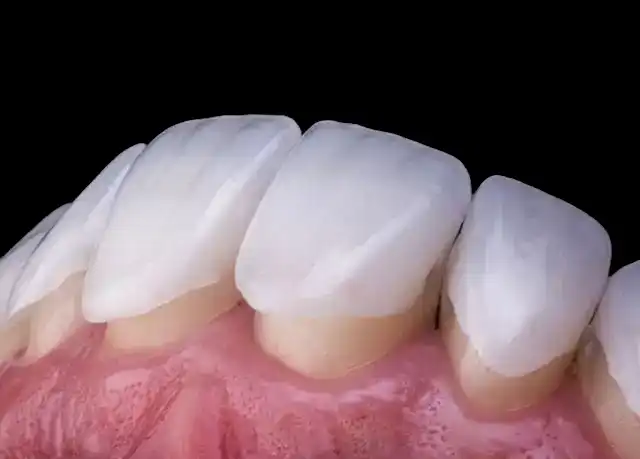
Ceramic veneers
Restorations for a Beautiful Smile
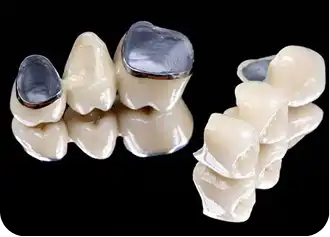
Metal-ceramics
Reliable and affordable dental restoration
Zirconium crowns
A durable and aesthetic option

Removable Dentures
Full or partial dental restoration

Book an Appointment
Don't delay getting dentures—the sooner you begin treatment, the easier and more reliable the results will be. You can schedule a consultation by phone or through the form on the website. During your appointment, the doctor will examine you, explain possible prosthetic options, create a personalized plan, and provide an exact cost estimate.
Which should I choose: zirconium or metal-ceramics?
Should you choose a metal-based prosthesis or is it better to pay extra and opt for zirconium? The first thing you should consider when choosing a material is your financial capabilities. If you know you can afford more expensive and aesthetically pleasing prosthetic restorations, go for them right away and rest assured: it's justified from every perspective.
Experience shows that after installing metal-ceramic crowns, patients return years later, when the opportunity arises, for aesthetics—and we replace them with all-ceramic crowns or bridges with a zirconium base.
Despite the obvious advantages of metal-ceramics (affordability, strength, and durability), they do have one drawback: the use of metal. In some patients, this causes dry mouth and taste irritation. There are other reasons why the presence of conventional dental metal alloys in the oral cavity is undesirable.
If you are interested in learning about the differences, the cost, how the body's perception of the material changes, the differences between the dentures installed in our dental clinic, and to see before and after examples, please visit the internal pages about metal-ceramics and zirconium.
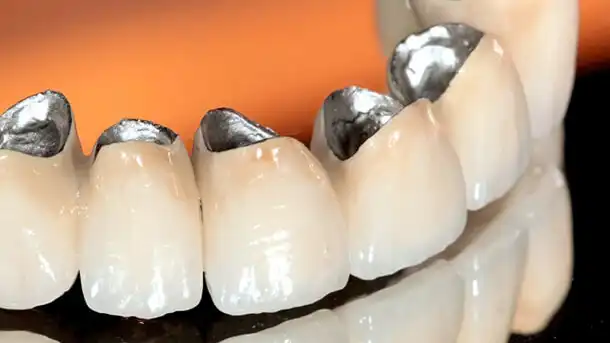
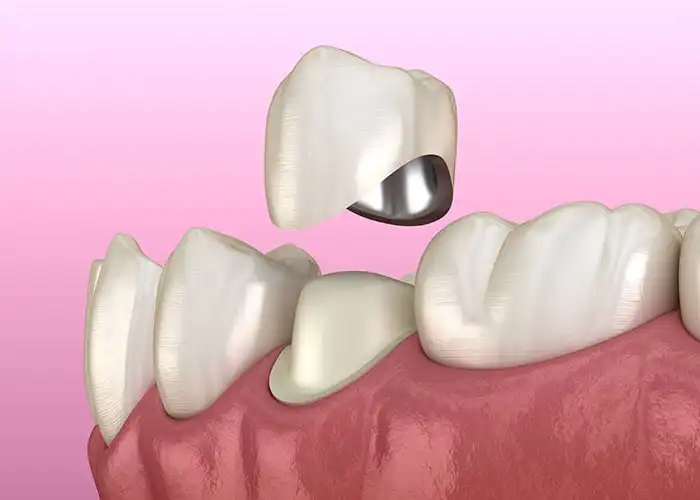
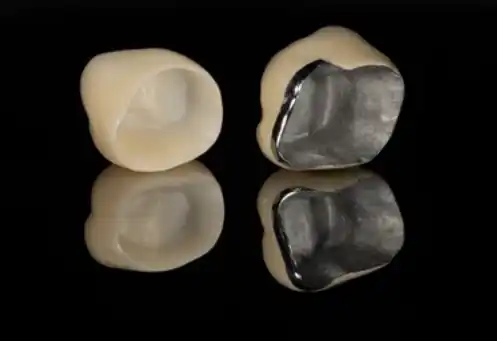
Metal-ceramics
A time-tested, reliable method of dental prosthetics after depulpation and root canal treatment.
- Availability
- Strength
- durability


Zirconium Dioxide
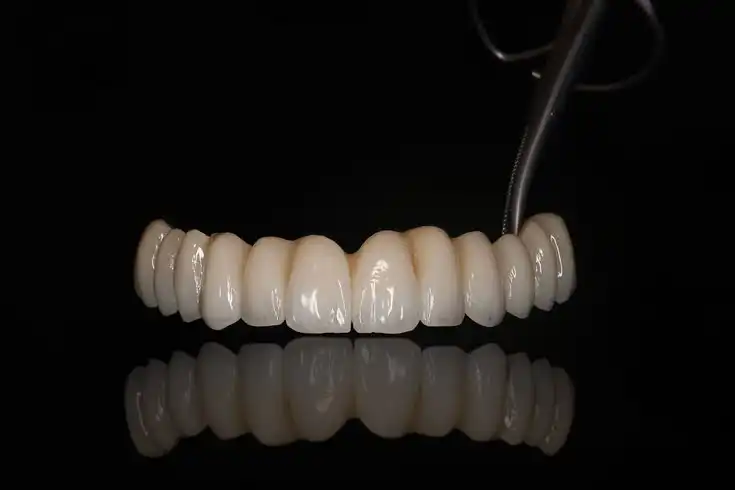
A solution for enhancing aesthetics.
- Beauty
- Accuracy
- Hypoallergenic

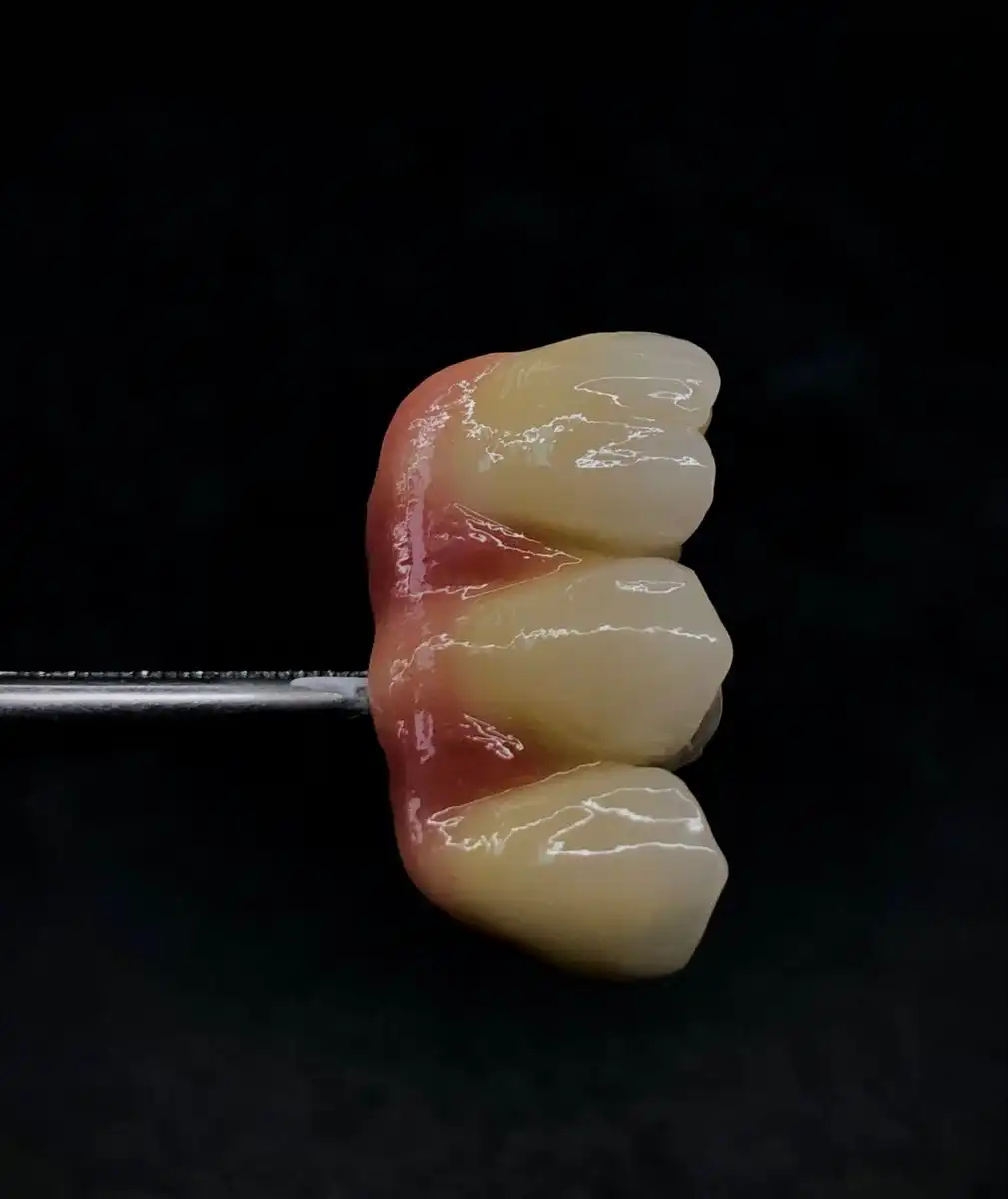
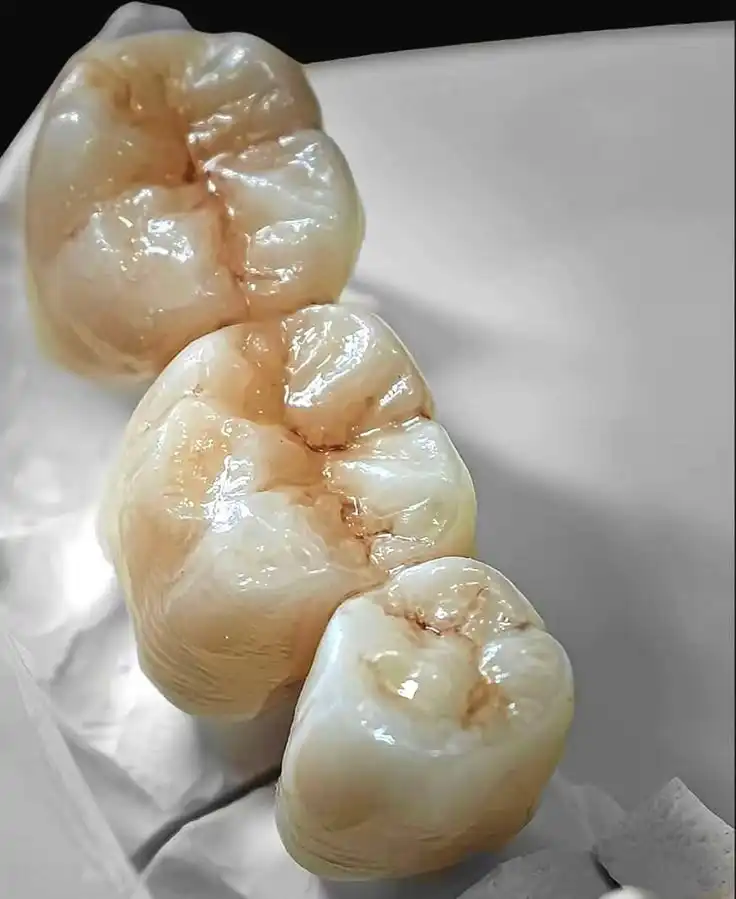
Microprosthetics
If correction of aesthetic or functional problems is required, and the tooth itself is vital, veneers and ceramic onlays are used. Custom-made in a dental laboratory, they are completely indistinguishable from natural teeth.
Inlays
Inlays act as fillings
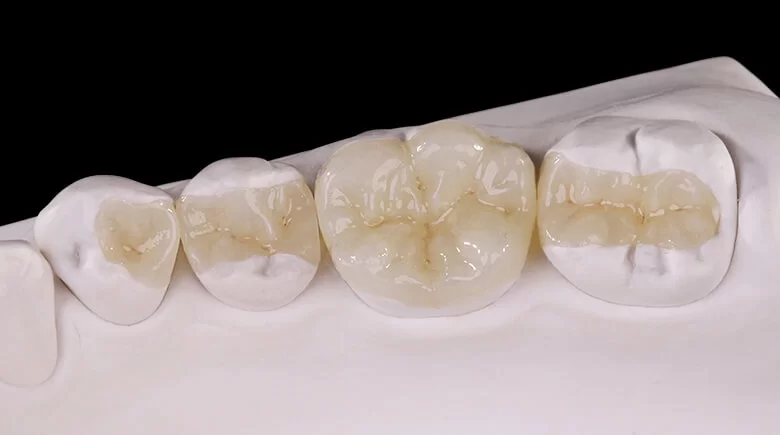
Dental prosthetics typically refers to the installation of crowns on teeth. However, very often, patients only need to restore a portion of the tooth's enamel, without grinding it down completely.
Microdentures (ceramic inlays) are most commonly used in the treatment of dental caries. If deep decay is detected, durable ceramic inlays, rather than conventional composite materials, are recommended for restoration during treatment to achieve a longer-lasting result.
For a detailed description of how treating caries with ceramic inlays is superior to conventional treatment with light-cured composite, read the article on ceramic inlays.
Veneers
Overlays installed on the outer surface of teeth
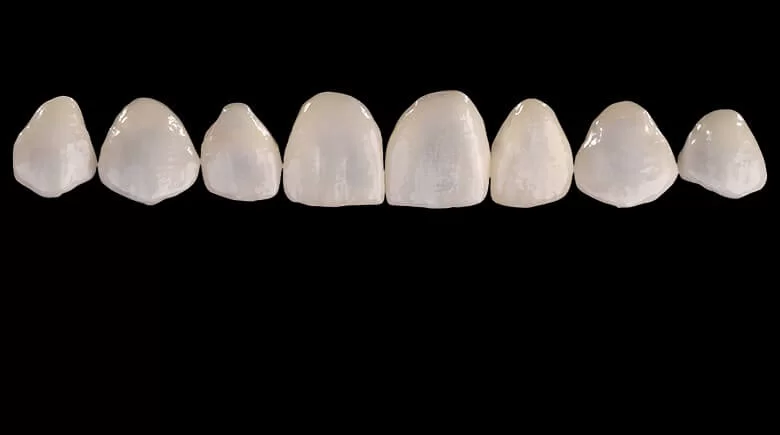
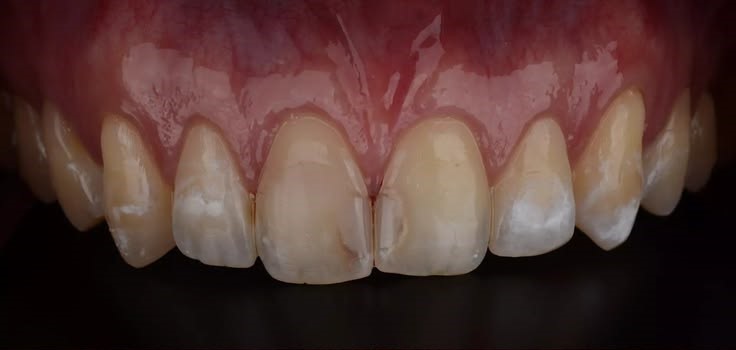
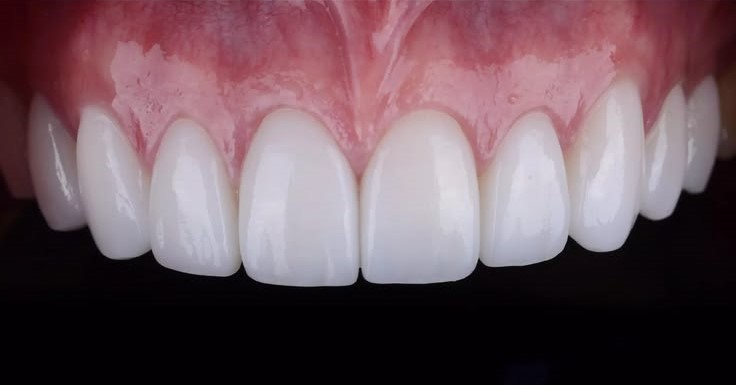
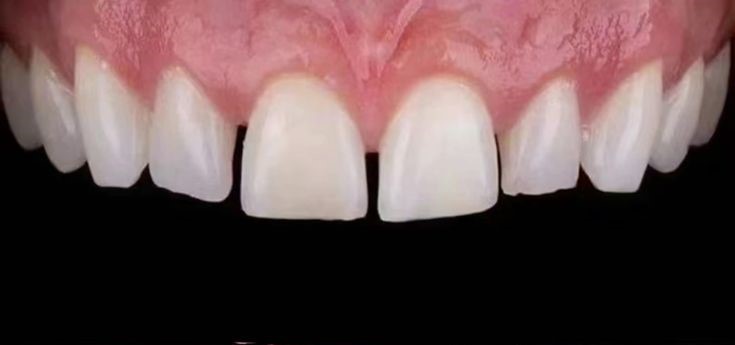
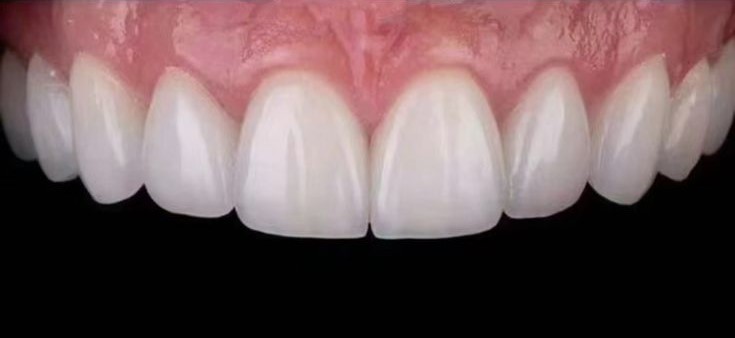
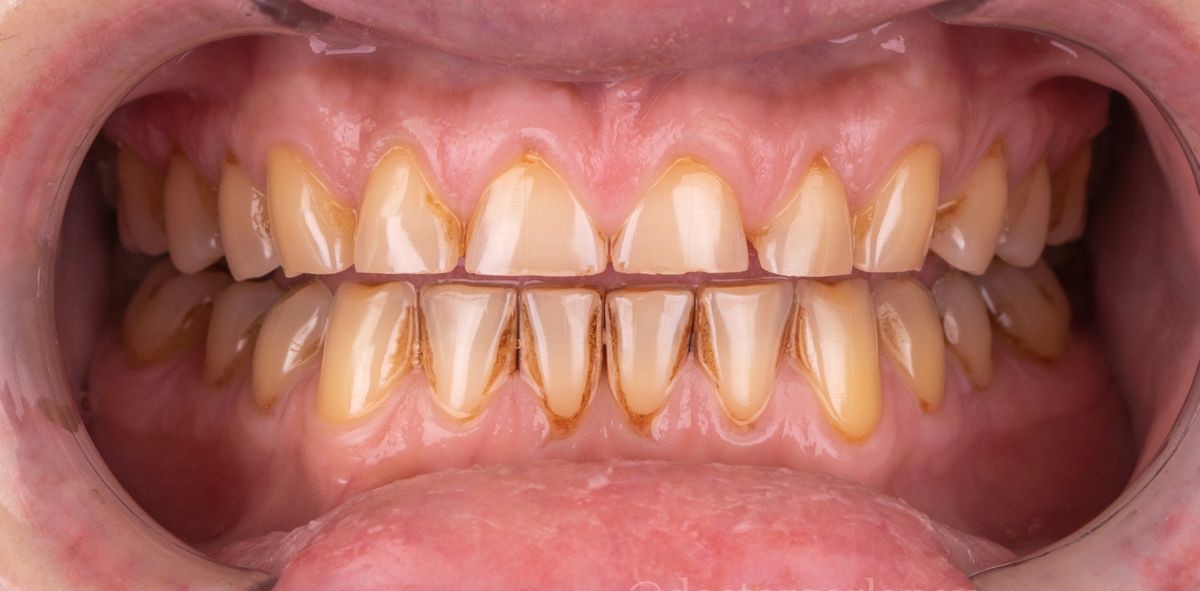
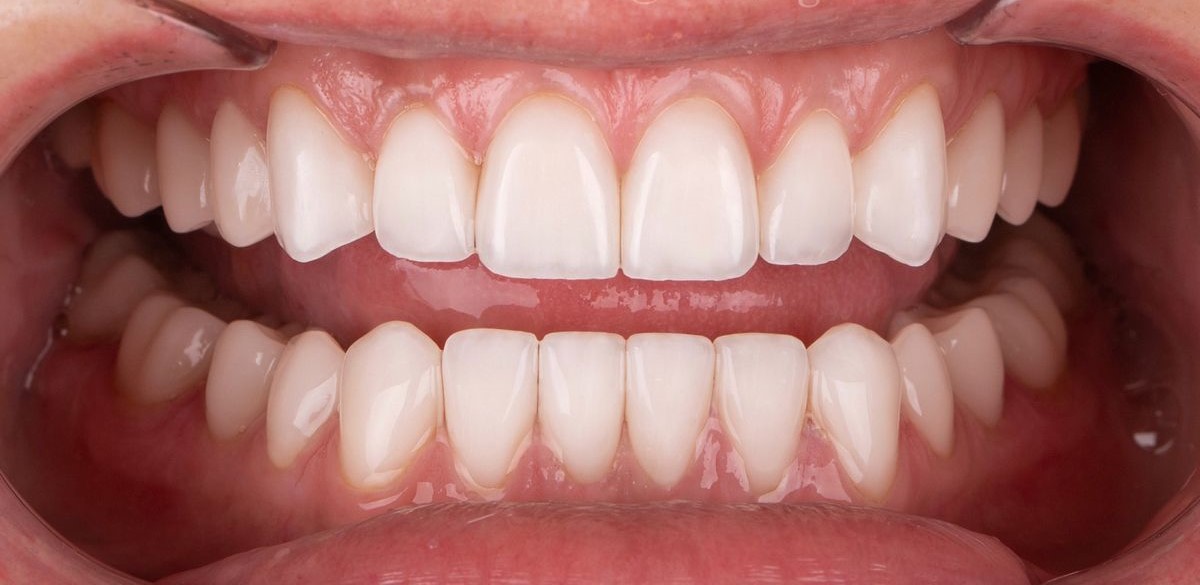
Veneers are ceramic microprostheses in the form of overlays on the facial surface of the teeth. The advent of this technology has radically changed aesthetic dentistry.
RoyalDent Clinic is one of the leading dental clinics in Latvia specializing in veneer placement.
In reality, the strength of a veneer, its optimal thickness, color accuracy, and transparency—all these nuances are perfected only through close collaboration between the doctor and the specialist who fabricates the veneers.
At the RoyalDent clinic, we manufacture and install the most durable and aesthetically pleasing veneers in Latvia.
Answers to frequently asked questions
We've collected what patients ask most frequently. Didn't find the answer?
For the smile zone, aesthetics are paramount, so metal-free restorations are often chosen. If the tooth is well preserved and has sufficient enamel, E-max ceramic is the optimal option. For more severe damage, zirconium dioxide is used—it is just as aesthetically pleasing and durable as E-max.