




Clicking and grinding in the jaw
Distinct sounds when opening the mouth, yawning or chewing firm food may indicate displacement of the articular disc.
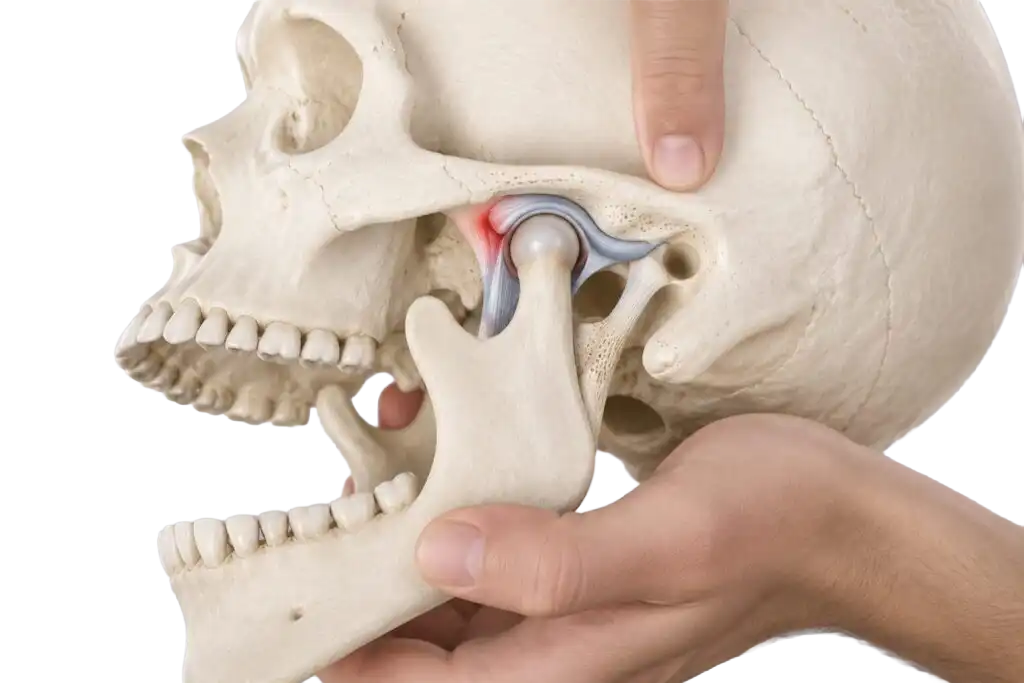
Many patients endure pain in the temple and neck area for years, attributing it to stress or fatigue. The actual cause is often hidden jaw-joint dysfunction or an occlusal disorder.
Distinct sounds when opening the mouth, yawning or chewing firm food may indicate displacement of the articular disc.
Aching or shooting pain around the ear, cheekbones, temples, neck or shoulder girdle that becomes stronger toward evening.
Difficulty opening the mouth wide, morning jaw locking or difficulty chewing firm food.
Involuntary grinding or clenching during sleep, chipped teeth, thinning incisal edges and increased sensitivity.
Tension in the back of the head and forehead or migraine-like episodes that are not relieved by analgesics or neurological treatment.
A sense that the teeth meet “in the wrong place”, a shifted smile midline and rapid fatigue while speaking.
In modern evidence-based medicine, a tooth is not viewed as an isolated unit but as a key part of one biomechanical system. The temporomandibular joint is one of the most complex and sensitive joints in the body.
They enable three-dimensional jaw movement. Displacement of the cartilage disc can block the condyle and trigger a chain reaction of overload throughout the craniofacial system.
The masseter, temporal and pterygoid muscles are the first to develop compensatory hypertonicity, contributing to spasms, trigger-point pain and night-time bruxism.
A forward head position or slouching changes the jaw trajectory. In turn, TMJ imbalance can create compensatory movement patterns in the neck.
Tooth contacts influence jaw position. Improper closure may narrow the airway during sleep, contributing to snoring and sleep apnoea.
Gnathology studies the physiology of the dental and jaw system and is closely connected with dentistry. Its principles are considered in many types of dental treatment.
This is primarily because normal occlusion must be restored and maintained. Gnathology helps to:
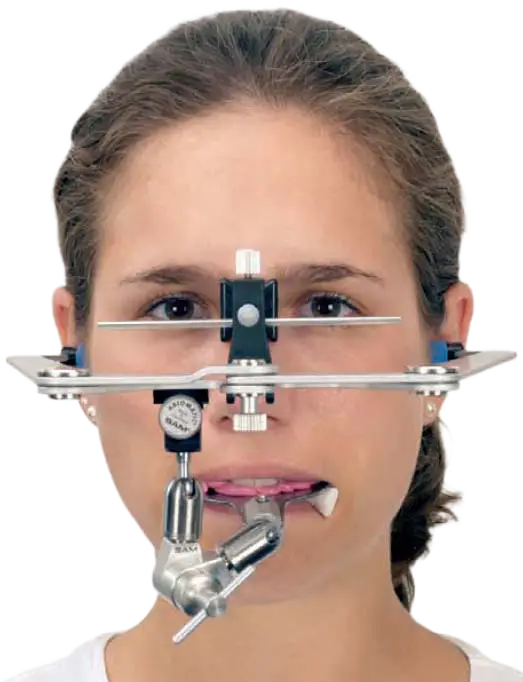
At RoyalDent, we do not rely on guesswork. TMJ treatment is based on a digital protocol and precise diagnostic examinations.
A high-precision optical impression is captured in minutes. There is no cold impression material or gag reflex, and the patient can immediately see a virtual model of both jaws on screen.

A detailed 3D assessment of the TMJ bone structures. We evaluate condylar symmetry, joint space and bone condition to support an accurate diagnosis.

High-precision computer analysis using modern systems and technologies identifies overloaded areas that may contribute to joint instability and enamel wear.

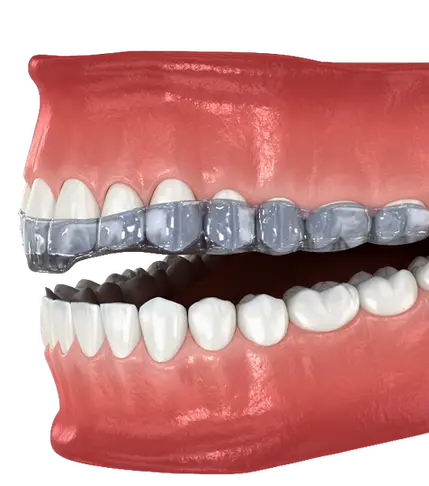
Custom occlusal splints gently unload the joint, help normalise masticatory-muscle tone and reduce clicking and pain.

In 95% of clinical cases, temporomandibular joint disorders can be managed with gentle non-surgical methods. We gradually normalise muscle tone and reposition the joint.
A personalised programme of therapeutic exercises for the jaw and neck muscles. It restores a natural mouth-opening path and strengthens the supporting ligament system.
Home protocol for maintaining muscle tone
A custom-made appliance reduces excessive load, distributes pressure and supports a physiological lower-jaw position.
Worn during sleep and periods of stress
The RoyalDent gnathologist coordinates a team that may include an orthodontist, prosthodontist and other specialists. This creates one consistent treatment plan.
Orthodontist · Prosthodontist · Gnathologist · Other specialists when indicated
Microinjections of medical products into overactive masticatory muscles when clinically indicated. They may help reduce tension and unload the joint.
Response is assessed individually
Gnathological treatment is a clear, structured and careful process. This is how we work step by step to restore comfort and function:
Clinical examination, manual palpation of the masticatory muscles, 3D dental scanning, tomography review and digital occlusal analysis.
Duration: 60–90 minutes
A personalised splint is made. It gently reduces muscle hypertonicity and supports a physiological joint position.
Guidance from the first days
Regular monitoring of joint progress and splint adjustment. Planned occlusal contacts are refined as treatment progresses.
Every stage is monitored
The achieved therapeutic jaw position is stabilised with restorative or orthodontic treatment when indicated.
A durable result
In many cases, once the temporomandibular joint position has been normalised, the final stage is restorative treatment. This may involve restoring individual teeth — usually 8 to 16 units — or full-mouth rehabilitation when the dental arch is significantly compromised.
This can be a substantial investment, but in many cases it is required to reduce chronic pain and discomfort and restore quality of life.
The final treatment plan, need for additional examinations and total cost are determined after an in-person consultation and diagnostics.
We've collected what patients ask most frequently. Didn't find the answer?
A gnathologist assesses the temporomandibular joint, masticatory muscles and the way the teeth meet. Reasons to book a consultation include pain, clicking, limited mouth opening, bruxism, tooth wear and load-related headaches.
