




- We remove wisdom teeth of any complexity
- We perform the surgery carefully and painlessly
- We provide detailed recommendations for a quick recovery
- If you have any questions after extraction, the doctor will be in touch
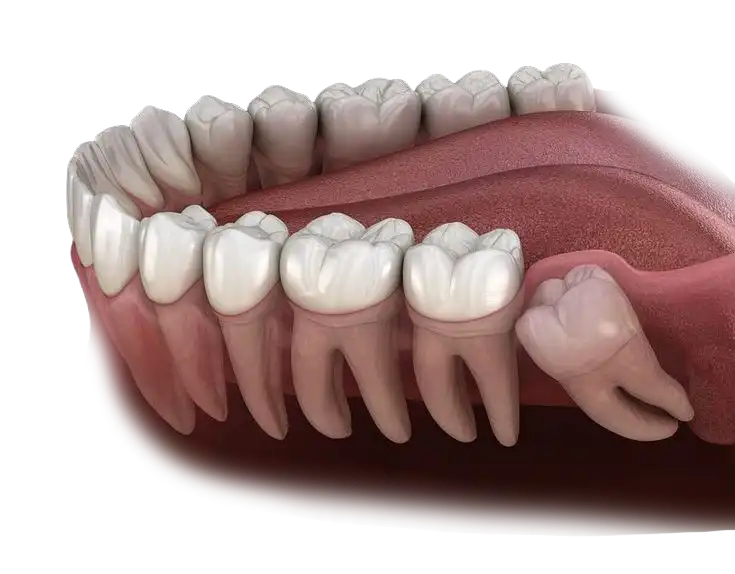
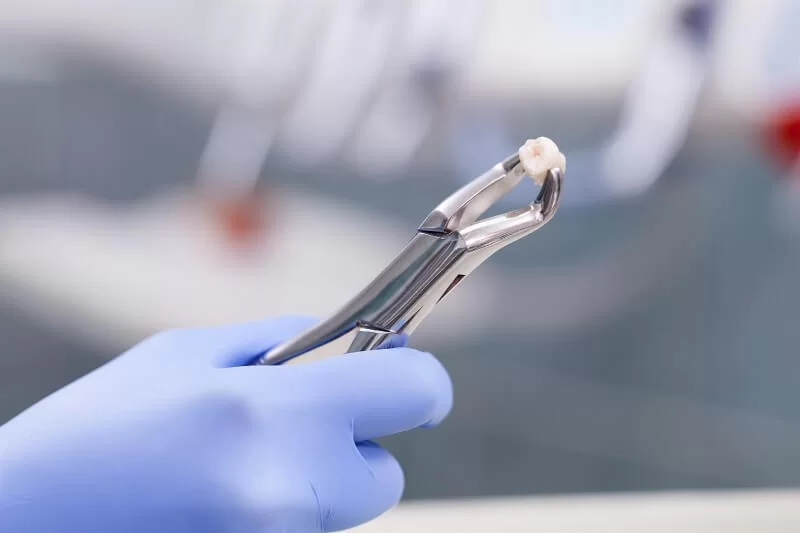
Third molars, commonly known as wisdom teeth, erupt much later than the other teeth and have no significant functional or aesthetic role.
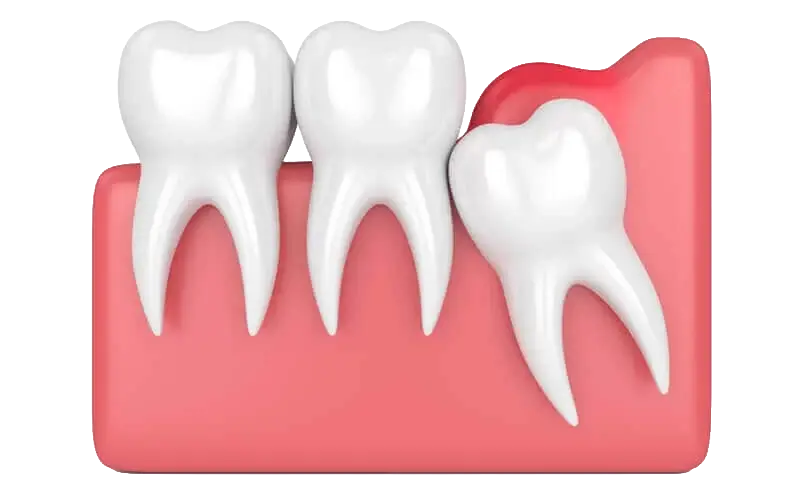
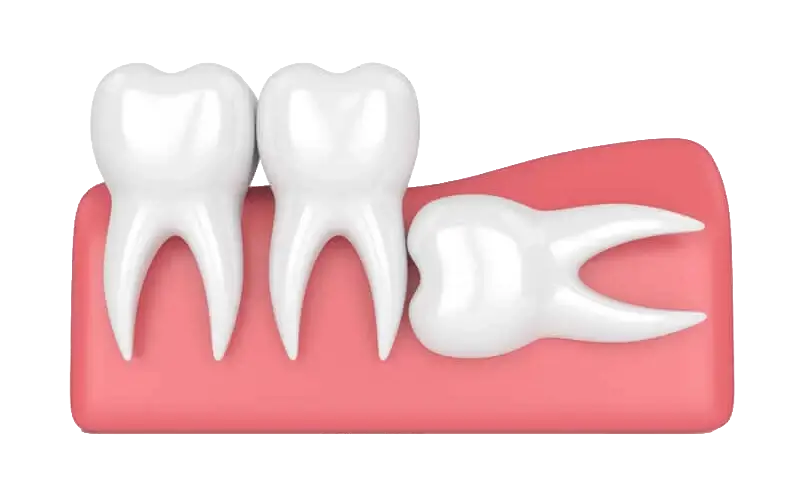
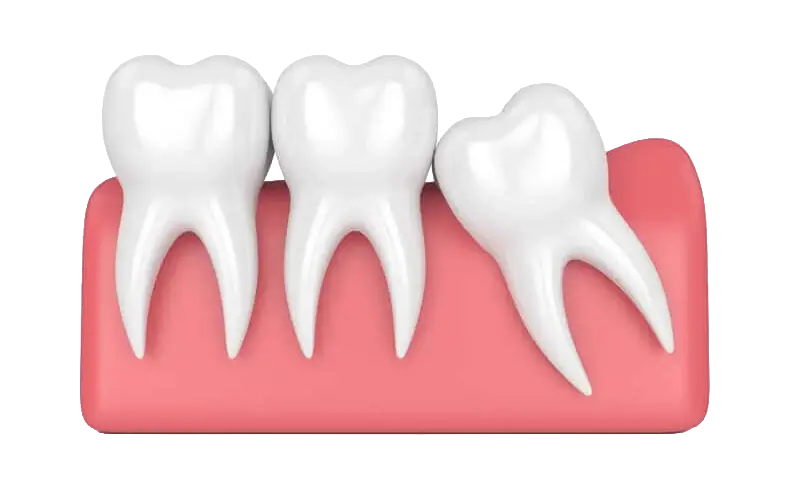
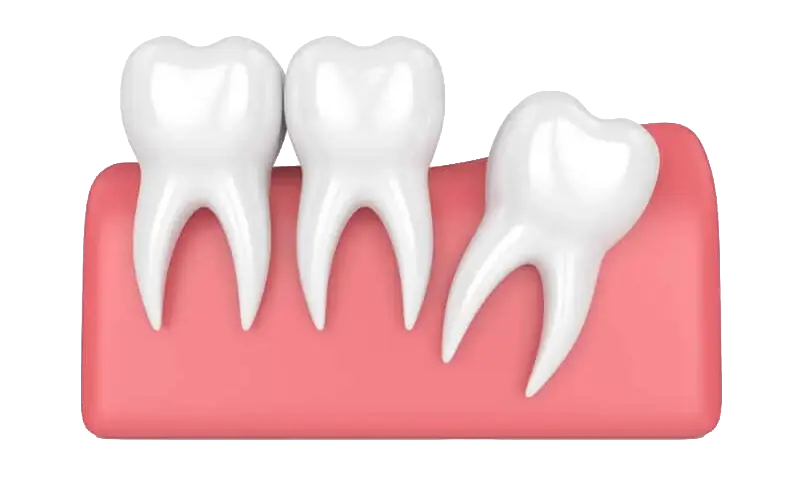
Compared to other chewing teeth, the root system of the third molars is prone to the most specific and abnormal development—the presence of 2 to 5 roots, which are often so curved that they intertwine or fuse with each other. They have difficulty erupting, are susceptible to caries due to their inaccessibility for hygiene procedures, and can occupy an abnormal position in the jaw, leading to trauma to soft tissues and adjacent teeth, interfering with their normal development, or contributing to decay.

Indications for wisdom tooth removal
- An impacted (unerupted) molar in an abnormal position in the jaw.
- Extensive caries, significant destruction of the crown of the tooth.
- Pericoronitis (inflammation of the hood).
- Pulpitis, Periodontitis.
- The need for braces.
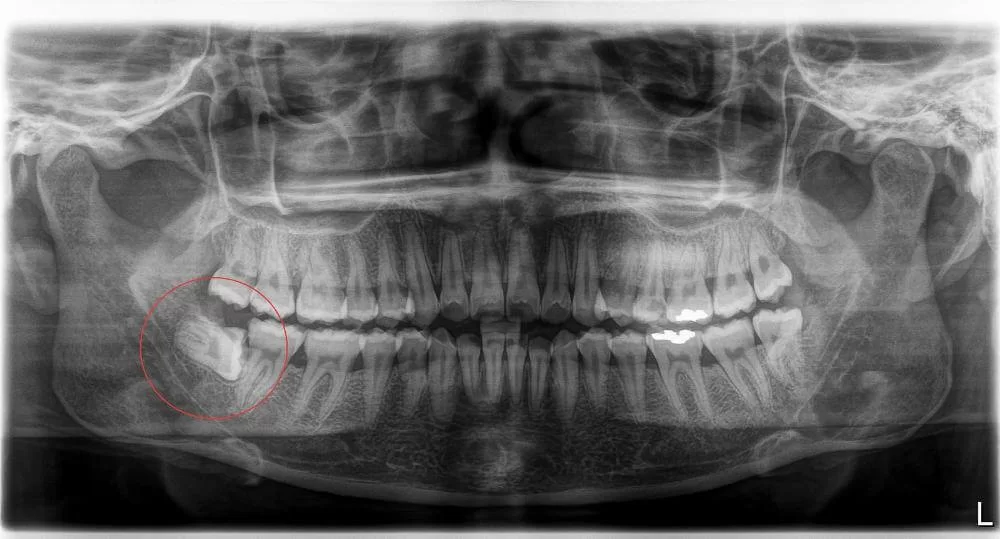
Of the above-mentioned reasons, tooth decay is the most common cause of tooth extraction for wisdom teeth. During eruption, a so-called hood forms above it - a section of gum that covers the unerupted part of the tooth and creates a pocket where food particles accumulate, which provokes the development of caries and pericoronitis - an inflammatory process that affects the gum tissue around a tooth that is in the process of eruption or has already erupted.
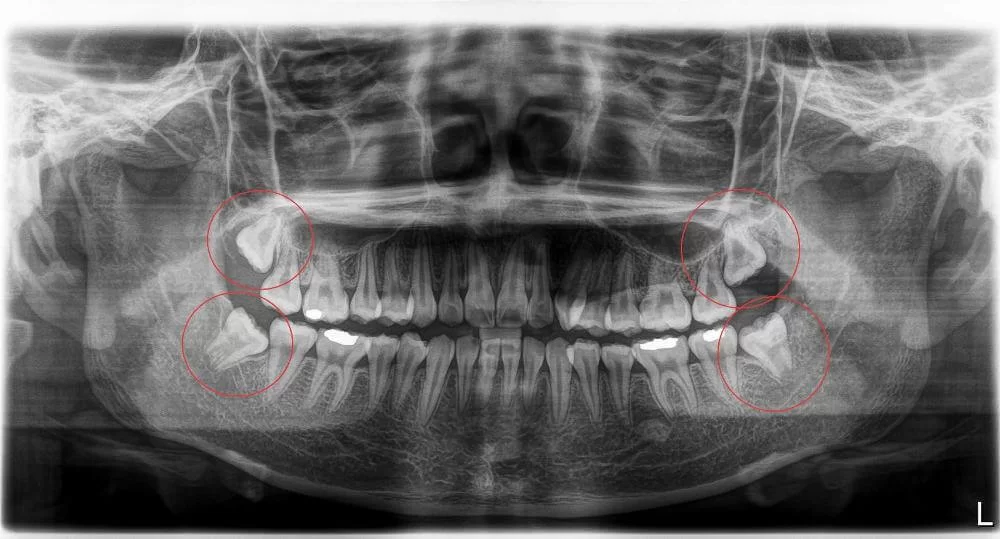
Another cause of inflammation in the hood area is semi-retention—when only part of the fully formed third molar breaks through the jawbone or gum.
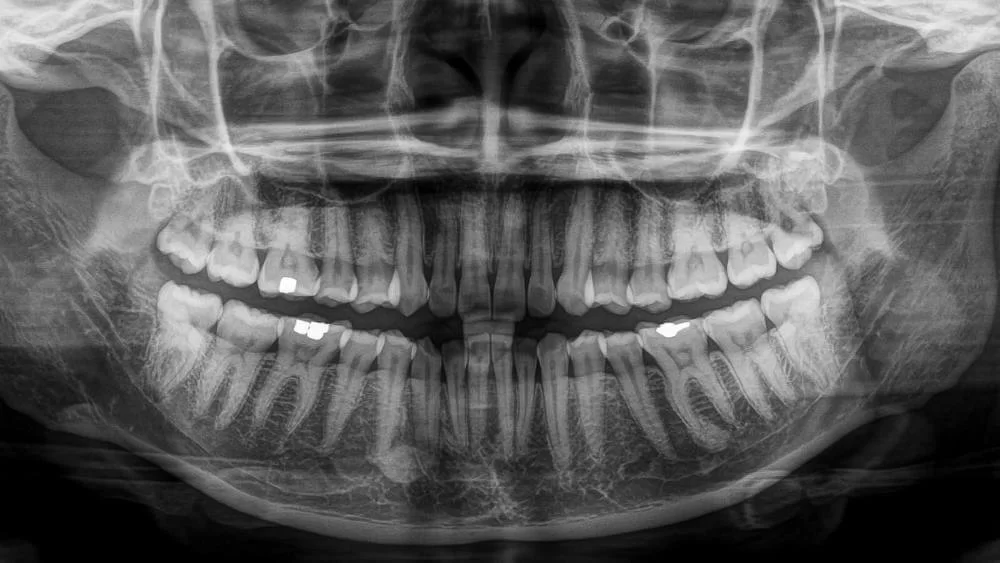
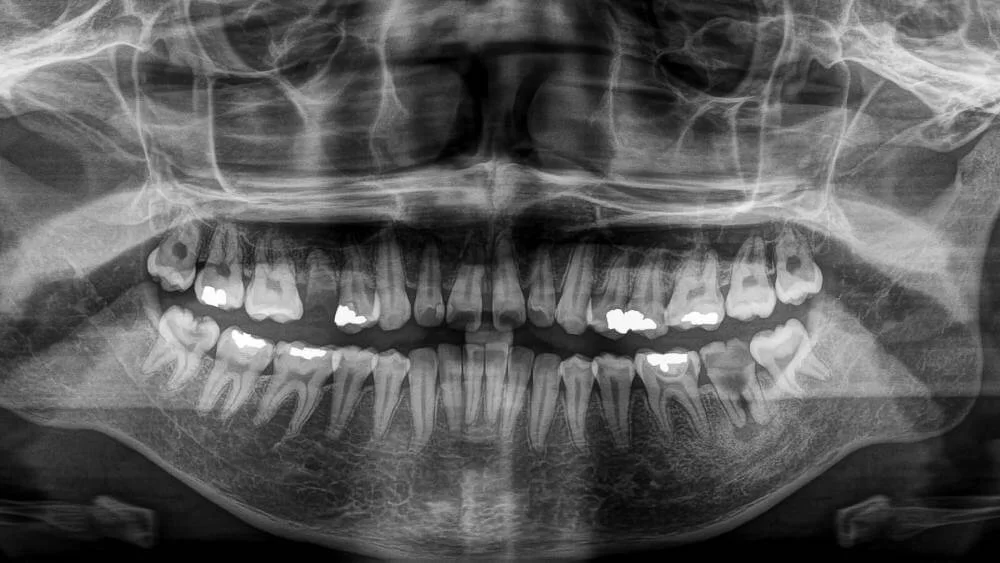
It's advisable to monitor wisdom teeth from the moment they erupt. An X-ray is sufficient to assess their condition, position relative to other teeth, and understand what to expect. If an abnormal position or inflammation is detected, the doctor may decide to remove them immediately.
Contraindications to wisdom tooth removal
Wisdom tooth removal is always planned individually. It is important not just to "remove the tooth," but to do so safely, without risk to the nerve, sinuses, and surrounding tissues. Therefore, in some situations, the doctor may suggest an alternative approach or postpone the procedure.
Wisdom teeth on the lower jaw
If an impacted tooth is located close to the mandibular canal, direct extraction may be unsafe. In such cases, we first evaluate the possibility of orthodontic extrusion—gradually removing the tooth from the dangerous area.
If extrusion is not possible, decoronation, a gentle method that avoids nerve damage, may be an alternative.
Upper Wisdom Teeth
The key factor here is the distance between the tooth roots and the maxillary sinus. If there is no or minimal bone septum, unprepared extraction can lead to complications, so extrusion is performed first, followed by tooth extraction.
General Restrictions
Scheduled wisdom tooth removal may also be temporarily postponed in the following cases:
- Acute infectious diseases;
- pregnancy;
- Taking medications that affect blood clotting or bone metabolism.
In each case, the doctor thoroughly explains the possible risks and suggests the safest treatment option.
Consequences of not removing a wisdom tooth
- A severely tilted molar can cause trauma to the oral mucosa.
- The erupting third molar will put excessive pressure on adjacent teeth if there is not enough space in the row. This can lead to crowding, displacement, or deformation of the teeth.
- A third molar erupting at an angle often presses against the adjacent second molar and may cause its premature damage.
Complications that can be caused by inflammation of the hood include ulcerative stomatitis, purulent lymphadenitis, osteomyelitis, abscesses, phlegmon, etc.
Features of wisdom tooth removal
The duration and complexity of the extraction process depend not only on the individual patient's characteristics but also on the qualifications of the specialist, who must conduct a detailed examination and select the optimal extraction method. The first step is an X-ray. The image will provide precise information about the position and configuration of the wisdom tooth, as well as the number of roots.
A wisdom tooth, or third molar, has an unpredictable number of roots. A canal containing the mandibular nerve may be located near the root apices. Removing complex wisdom teeth located horizontally and deep in the lower jaw bone is considered complex and is performed only by experienced surgeons.
Removing upper wisdom teeth is easier and quicker than lower ones
The fact is that the bone in the upper jaw is less dense and more flexible than in the lower jaw, and does not create any anatomical obstacles to extraction. This is due to the high chewing load experienced by the lower teeth, which is why their roots are more massive and strong.
3-Stage Wisdom Tooth Extraction
- X-ray diagnostics, oral examination, and identification of indications for removal
- Anesthesia: two-stage local anesthesia
- Extracting a tooth from its socket after the surgical area has lost sensitivity.
If the examination reveals that the tooth has a massive and extensive root system, a significant tilt, or a completely destroyed crown, the doctor will need to develop an extraction strategy that will allow for the fastest possible treatment with the least discomfort.
Post-operative pain may occur, the intensity of which is related to the complexity of the surgical procedure. Following the doctor's recommendations and taking painkillers can help resolve this issue and quickly return to your normal routine. You should also return to the clinic for a checkup 7-10 days after the extraction to monitor your oral health.
Is it possible to remove several wisdom teeth at once?
This is a fairly common question, but there is no definitive answer. As usual, multiple extractions involve a number of indications and contraindications, which will be discussed by the treating physician after an X-ray and examination.
When can wisdom teeth be left?
Sometimes we can see visually and on X-rays that a wisdom tooth, the third molar, has settled into the dental arch evenly. It is healthy, helps chew food, and does not interfere with other teeth. Naturally, such a tooth is saved.
Prices for tooth extraction in Jūrmala
- Wisdom Tooth Extraction300 €
Erupted wisdom tooth in normal position – removal in one visit
- Removal of impacted wisdom teeth500 €
Impacted or horizontally positioned tooth: surgery based on CT scan
- Extraction of a tooth with an abnormal root structure300 €
From 2 to 5 curved or fused roots - removal is performed by an experienced surgeon
- Multi-Root Tooth Extraction250 €
A chewing tooth that can no longer be saved
- Single-root tooth extraction150 €
Single-Root Anterior Teeth and Premolars
- Extraction of a tooth affected by periodontitis100 €
Loose tooth with damaged ligaments
- Anesthesia30 €
Two-stage local anesthesia of the surgical area
- Surface anesthesia5 €
Application gel before the injection - the injection itself is not felt
The doctor will quote the exact cost after an examination and x-ray; it depends on the position of the tooth and the structure of its roots. For a full list of services, see the clinic's price list.
Answers to frequently asked questions
We've collected what patients ask most frequently. Didn't find the answer?
The surgery itself is painless: anesthesia is administered in two stages: first, an application gel is applied to mask the injection, followed by local anesthesia. The tooth is extracted only after the surgical area has completely lost sensitivity.